
How Often Does A Septic Tank Need Cleaning?
The honest answer is: it depends on your tank and your household, but 3 to 5 years is the range most homes fall into. A bigger household pushes more solids into the tank faster, and a smaller tank fills up sooner relative to its size. That is the frame to plan around, not a fixed date circled on a calendar, and it is worth comparing against septic tank pumping cost in El Monte before you schedule anything. If you are in El Monte and unsure what your tank holds, that number matters more than the calendar does. El Monte Porta Pros can walk you through septic tank cleaning scheduling once we know your tank size and household count. Waiting too long between pumpings lets solids build up past a safe level, and that is when tanks back up into the house or the yard. If you notice slow drains or standing water near the drain field, that is worth checking sooner rather than later, and our septic tank warning signs page covers what to look for. Homes closer to Baldwin Park, 3.6 miles east of El Monte, and Rosemead, 4.3 miles west, deal with the same clay-heavy soil conditions that can slow drainage and make pumping intervals more important to track.
What Determines Septic Tank Pumping Frequency?
Tank size and household size are the two biggest factors, and they work against each other. A small tank serving a large family fills faster than a large tank serving two people, so the 3 to 5 year window is not one-size-fits-all. Garbage disposal use, laundry habits and whether the home has a water softener all shift the number too, though tank size and occupancy do most of the work, similar to how how many porta potties do i need depends on headcount rather than a fixed rule. If you are not sure what you are working with, septic tank pumping cost in El Monte usually depends partly on tank size, so knowing that number helps with planning either way. For homes with a grease interceptor tied into a commercial kitchen setup, the rule is different: those get pumped when fats, oils, grease and solids reach 25 percent of the liquid depth, not on a fixed calendar. That is a separate service from residential septic pumping, closer in spirit to dumpster rental cost planning where usage drives the schedule rather than the calendar. Restaurants and food trucks operating near San Gabriel, 6.1 miles west, or La Puente, 6.4 miles southeast, typically need grease trap pumping far more often than a residential tank needs its once-every-few-years visit.
Why Does Pumping Frequency Matter For A Property?
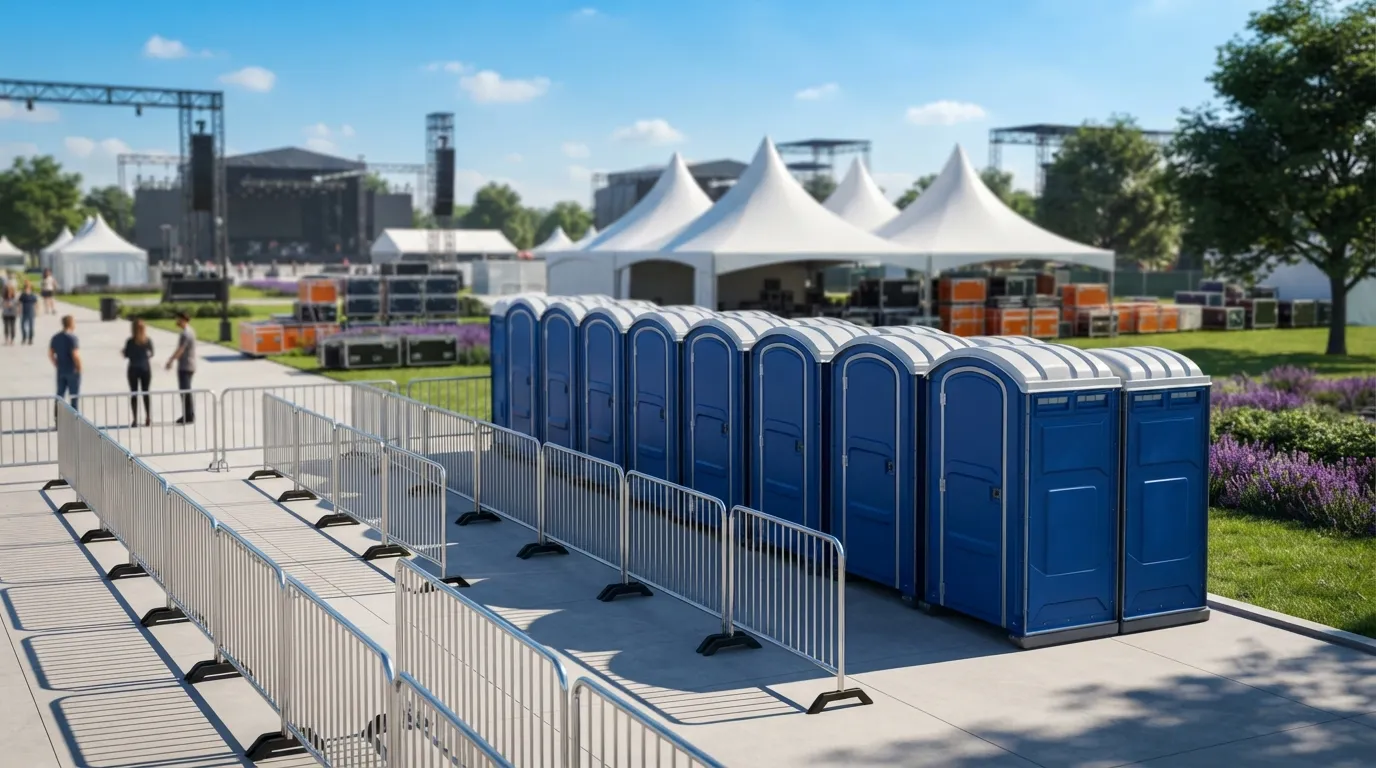
Skipping a pumping cycle does not save money, it just delays a bigger bill. Solids that should have been pumped out settle and compact, and once they migrate into the drain field, that field can fail. Replacing a drain field costs far more than a routine pumping ever would, and it is disruptive to a property in a way a scheduled portable restroom rental service visit is not. This is the same logic that applies to construction sites using holding tank rental units on a job in El Monte: a tank that is monitored and serviced on schedule never becomes an emergency. When a tank does back up unexpectedly, that is when you need emergency septic service rather than a planned appointment, and emergency visits cost more and happen on someone else's timeline, not yours. Keeping to the 3 to 5 year window, adjusted for your household, is the cheaper and calmer path, the same reasoning behind porta potty rental checklist planning ahead of a big job. It also protects the yard and the plumbing inside the house, since a backup does not stay contained to the tank.
Is There A Difference Between Residential And Commercial Pumping Schedules?
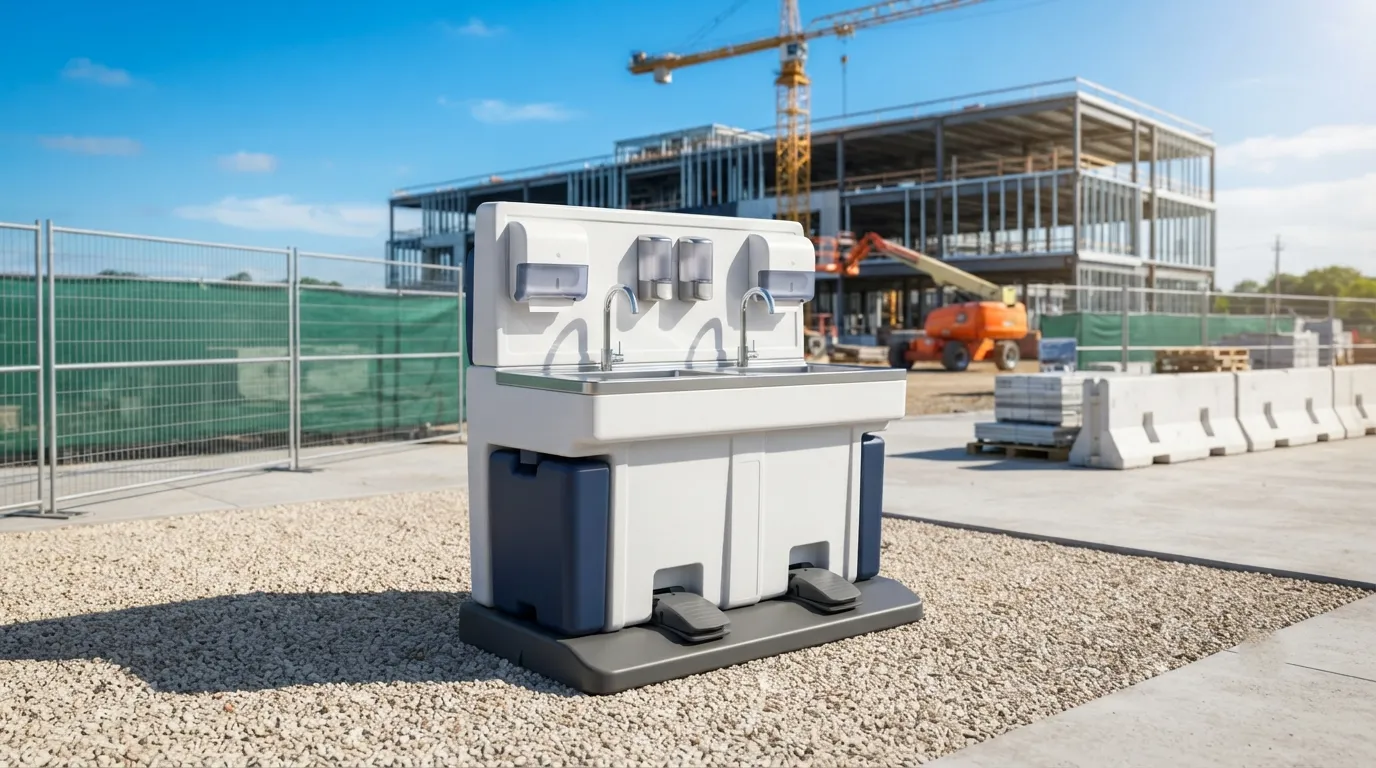
Yes, and the difference is significant. Residential septic tanks run on the 3 to 5 year cycle tied to household size. Commercial systems, particularly kitchens, run on condition, not calendar, and get pumped once they hit that 25 percent threshold in the interceptor. Portable sanitation on construction sites, including standard porta potty rental units, is a third category entirely, governed by different standards: ANSI/PSAI Z4.3 sets a baseline of one service visit per week for up to 10 users over a 40 hour week for portable toilets, which is a servicing rhythm, not a pumping-out-the-septic-tank rhythm. If you are running a job site in El Monte with construction site services that include portable restrooms, that weekly service interval is what OSHA 1926.51(c) and general sanitation planning are built around, separate from anything happening at a residential septic tank. Keeping these three categories straight, residential, commercial grease, and portable sanitation such as porta potty rental in El Monte, helps you budget the right service at the right interval instead of over- or under-scheduling.
How do I know what size my septic tank is?
Check your property records or the original installation permit if you have it, and see our porta potty permit requirements page if a related permit question comes up on the same property. If you cannot find either, a technician can often estimate it during a service call. Knowing the size helps confirm where you land in the 3 to 5 year window, and it also affects septic tank pumping cost.
What happens if I never pump my septic tank?
Solids build up until they overflow into the drain field, which can clog or fail it entirely. That turns a routine pumping into a drain field replacement, a much bigger job. Watch for the signs on our septic tank warning signs page before it gets that far.
Can a large household shorten the pumping interval?
Yes. More people means more wastewater and more solids entering the tank, which can push a household toward the 3 year end of the range instead of 5. A tank sized for a smaller family gets undersized fast once occupancy grows, much like a rental sized for a small crew needs an upgrade covered on our portable toilet rental page once the crew grows.
Is grease trap pumping the same as septic pumping?
No. Grease interceptors get pumped based on condition, specifically once fats, oils, grease and solids hit 25 percent of the liquid depth, not on a fixed years-based schedule like residential septic tanks. See grease trap pumping for how that works.
What should I do if my tank backs up unexpectedly?
Call for emergency septic service right away rather than waiting. A backup usually means solids have built past a safe level, and delaying use of the plumbing limits further damage to the drain field and the house, the same urgency behind our emergency porta potty rental page for job sites caught without service.

Next step
Get a delivery date
Tell us the address, the dates and the headcount. We size the order and confirm the route.